
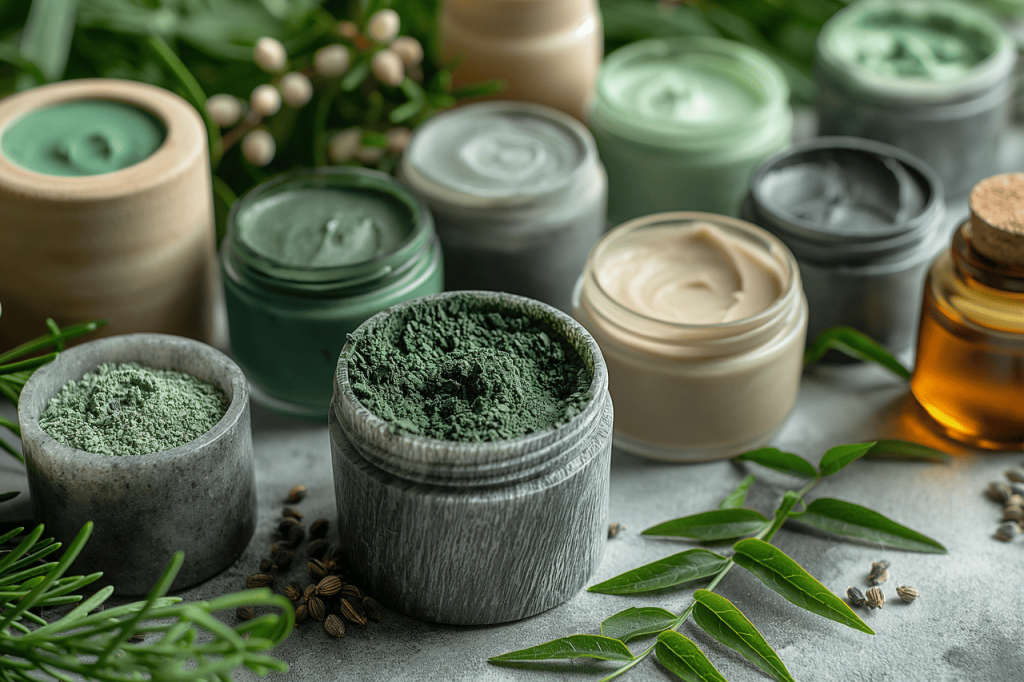
Most anti-ageing products promise quick fixes, but the truth is far less glamorous. Fine lines, wrinkles, and skin changes are natural — and no single cream can erase them overnight. What really matters is understanding which ingredients are proven to work, which are just marketing hype, and how consistent care (plus lifestyle choices) makes the biggest difference over time.


Source:Pixabay
Key Takeaways
- Most anti-ageing skincare products improve appearance temporarily, not long-term skin health.
- Evidence-backed anti-ageing ingredients include retinol, peptides, Vitamin C, and other antioxidants.
- Lifestyle choices—like sun protection, diet, and stress management—play a bigger role in ageing than many products.
- Prevention (SPF, hydration, and healthy routines) is far more effective than reversal.
- Many products marketed as anti-ageing lack clinical proof.

1. What Is Anti-Ageing Skincare Really About?
The term anti-ageing is everywhere—on creams, serums, supplements, even shampoos. But the truth is, you cannot completely stop ageing. Skin ageing is a natural biological process, influenced by both genetics (intrinsic ageing) and environmental factors (extrinsic ageing).
The goal of anti-ageing skincare isn’t to freeze time—it’s to support skin health, slow down premature signs of ageing, and improve skin’s resilience.
The Two Sides of Anti-Ageing Skincare
- Preventive Skincare – Focuses on stopping premature damage before it shows.
- Daily SPF to block UV-induced collagen breakdown.
- Antioxidants like Vitamin C to fight free radicals.
- Hydration to maintain skin elasticity.
- Lifestyle adjustments—diet, sleep, and stress reduction.
- Corrective Skincare – Targets visible signs of ageing that have already appeared.
- Retinoids to boost cell turnover and fade wrinkles.
- Peptides to stimulate collagen production.
- Chemical exfoliants (AHAs & BHAs) to improve texture and radiance.

2. Understanding the Science of Skin Ageing
To create an effective skincare plan, it helps to understand why skin changes with age.
Intrinsic Ageing (Genetic Ageing)
- Gradual loss of collagen and elastin.
- Slower cell renewal.
- Natural thinning of the skin.
- Decreased oil production leading to dryness.
Extrinsic Ageing (Environmental Ageing)
- UV radiation: The biggest culprit—responsible for up to 80% of visible ageing.
- Pollution: Accelerates oxidative stress, causing pigmentation and dullness.
- Lifestyle factors: Smoking, alcohol, poor diet, and stress.
Pro Tip: Even if you have strong genetics, environmental damage can speed up visible ageing dramatically.

3. The Anti-Ageing Ingredients That Actually Work
Marketing is full of buzzwords—collagen creams, miracle serums, instant lift. But only a handful of ingredients have scientific backing.
Retinoids (Vitamin A derivatives)
- Boost collagen production.
- Improve cell turnover.
- Reduce wrinkles and pigmentation.
- Best for: Fine lines, uneven skin tone, acne-prone ageing skin.
How to use: Start with a low concentration (0.1–0.3%) twice a week, increasing gradually.

Vitamin C (L-Ascorbic Acid)
- Powerful antioxidant.
- Brightens skin and evens out pigmentation.
- Protects from UV-induced free radical damage.
- Works best with SPF for daytime protection.
Pro Tip: Look for 10–20% concentration in stable formulas with ferulic acid and Vitamin E for enhanced results.

Peptides
- Signal skin to produce more collagen and elastin.
- Improve skin firmness and elasticity.
- Work well alongside retinoids for a balanced anti-ageing approach.

Niacinamide (Vitamin B3)
- Improves skin barrier function.
- Reduces redness and uneven tone.
- Minimizes fine lines over time.

AHAs & BHAs (Chemical Exfoliants)
- AHAs (like glycolic acid) improve texture and reduce pigmentation.
- BHAs (like salicylic acid) clear clogged pores and smooth skin.

Sunscreen (Broad Spectrum SPF 30–50)
- The #1 anti-ageing product—prevents up to 90% of premature skin ageing.
- Look for broad-spectrum formulas with UVA & UVB protection.

4. Myths About Anti-Ageing Skincare

Source:Canva
Myth 1: Expensive Products Always Work Better
Many budget-friendly products have the same active ingredients as luxury options—what matters is formulation and concentration, not price tag.
Myth 2: Natural = Safer & More Effective
Natural extracts can be beneficial, but “natural” does not automatically mean safe or potent. Poison ivy is natural—yet harmful.
Myth 3: A 10-Step Routine Is Necessary
A simple 3–5 step routine with proven actives often works better than layering multiple random products.

5. How Lifestyle Choices Influence Ageing
Ageing isn’t just about genetics our daily choices play a huge role in how our skin and body change over time. Habits like smoking, poor diet, lack of sleep, and chronic stress can speed up wrinkles and dullness, while balanced nutrition, regular exercise, hydration, and sun protection help keep skin youthful for longer. Small, consistent lifestyle changes can make a visible difference in healthy ageing.

Source:Canva
Factors That Accelerate Ageing
- Unprotected sun exposure.
- Smoking & alcohol.
- Sleep deprivation.
- Poor nutrition.
- Chronic stress.
Habits That Promote Youthful Skin
- Sleep: Aim for 7–8 hours; your skin regenerates during deep sleep.
- Diet: Include omega-3 fats, antioxidants, and vitamin-rich foods.
- Hydration: Supports skin elasticity and plumpness.
- Stress management: Yoga, meditation, or even 10-minute breathing exercises can help.

6. Building an Effective Anti-Ageing Routine
Morning Routine
- Gentle Cleanser.
- Vitamin C serum.
- Lightweight moisturizer.
- Broad-spectrum SPF 30–50.
Evening Routine
- Cleanser.
- Retinol or retinoid (2–3 nights/week initially).
- Hydrating serum (hyaluronic acid or peptides).
- Rich night cream.

7. Long-Term Anti-Ageing Skincare Tips
- Start preventive care early (mid-20s).
- Introduce actives slowly to avoid irritation.
- Reapply SPF every 2–3 hours outdoors.
- Avoid mixing too many strong actives at once.
- Be consistent—results take weeks to months.

8. FAQs About Anti-Ageing Skincare
Q1: At what age should I start anti-ageing skincare?
A: Begin preventive care (SPF, antioxidants) in your mid-20s; stronger actives like retinol in your late 20s or early 30s.
Q2: Is retinol safe for sensitive skin?
A: Yes, with lower concentrations and slow introduction.
Q3: Do natural remedies work?
A: Some have benefits, but they’re generally less potent than clinical actives.
Q4: Can men use the same products?
A: Absolutely. Skincare is universal.
Q5: Is sunscreen the best anti-ageing product?
A: 100% yes—nothing prevents premature ageing more effectively.

Conclusion
Anti-ageing skincare is less about chasing youth and more about supporting skin health for the long run. By focusing on clinically proven ingredients, daily sun protection, and healthy lifestyle choices, you can maintain radiant, strong, and resilient skin well into later decades.

Saman Is a marketing professional working who has 3 years of marketing experience!