

Introduction
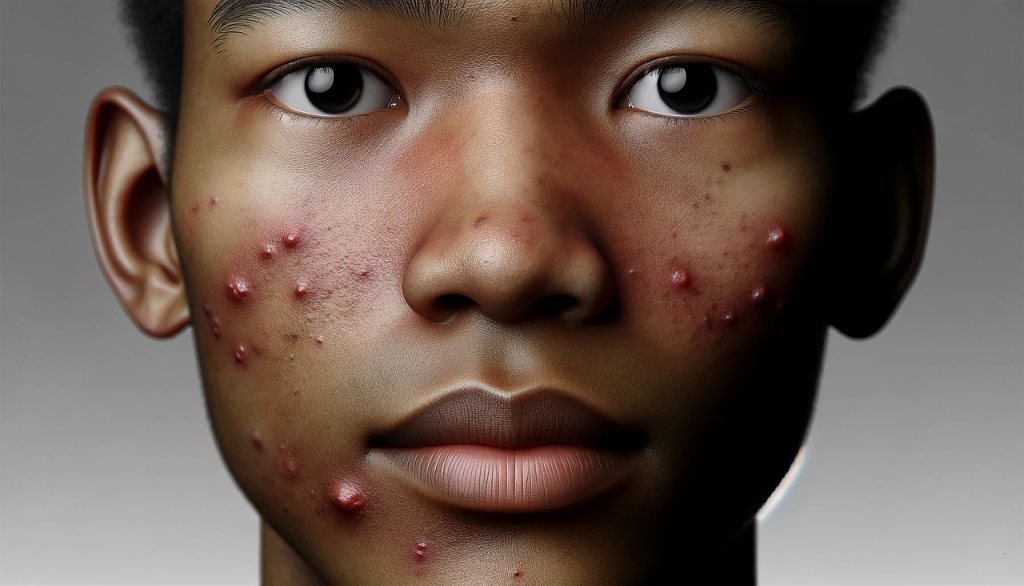
Struggling with breakouts, clogged pores, and stubborn pimples? You’re not alone. Millions of people around the world deal with acne prone skin, often without a proper skincare routine tailored to their needs. The key to clearer skin isn’t just about using expensive products — it’s about building a consistent and effective skincare routine that works for your skin type. In this guide, we’ll walk you through everything you need to know to manage acne and restore your natural glow.
Key Takeaways
- A gentle, consistent routine is essential for acne prone skin.
- Avoid harsh scrubs and alcohol-based products.
- Focus on ingredients like salicylic acid, niacinamide, and benzoyl peroxide.
- Hydration and sunscreen are just as important as cleansing.
- Always patch-test new products before full application.

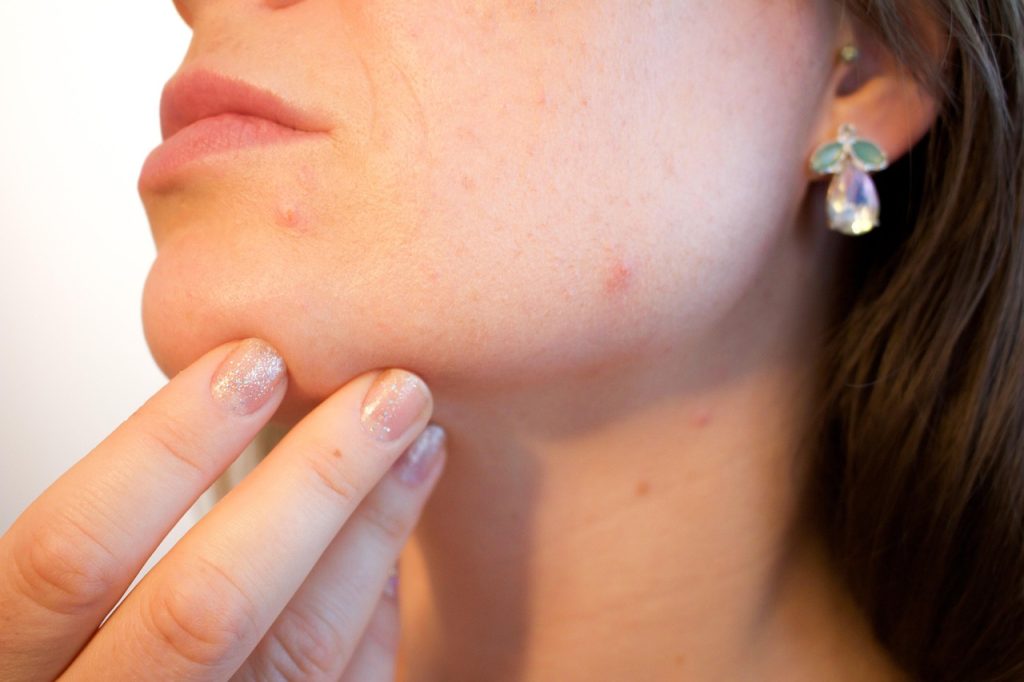
Source: Pixabay
Best Skincare Routine for Acne-Prone Skin
1. Gentle Cleansing
Begin and end your day with a gentle, non-foaming cleanser suitable for acne-prone skin to remove excess oil, dirt, and impurities without stripping the skin. Look for cleansers with salicylic acid or tea tree oil for additional acne-fighting benefits.
2. Exfoliation (2-3 times per week)
Chemical exfoliants with AHAs or BHAs (like glycolic acid or salicylic acid) can help unclog pores and promote cell turnover, reducing breakouts. Avoid physical scrubs that can irritate acne-prone skin.
3. Toner (Optional)
A hydrating toner with soothing ingredients like rose water or witch hazel can help balance pH and prepare the skin for further treatments.
4. Targeted Treatments
- For active acne: Spot treatments with benzoyl peroxide or salicylic acid can help reduce inflammation.
- For oil control: Niacinamide serums can help regulate sebum production and reduce redness.
5. Hydration
Acne-prone skin still requires moisture. Use an oil-free, non-comedogenic moisturizer to maintain hydration without clogging pores. Ingredients like hyaluronic acid can help attract moisture without heaviness.
6. Sun Protection
Daily sunscreen is crucial for acne-prone skin, even on cloudy days. Look for a lightweight, non-comedogenic sunscreen with at least SPF 30 to prevent hyperpigmentation and protect healing skin.
7. Night Routine
At night, repeat cleansing, apply treatment serums, and follow with a lightweight moisturizer. Incorporate retinol (if recommended by your dermatologist) to support cell turnover, but introduce it gradually to avoid irritation.
Conclusion
Establishing the best skincare routine for acne-prone skin requires selecting the right products, maintaining consistency, and being patient with results. Gentle care, targeted treatments, and sun protection form the foundation for clear, healthy skin. If your acne persists, consult a dermatologist for personalized recommendations to avoid scarring and manage underlying conditions effectively.
FAQs
1. What ingredients should I avoid for acne-prone skin?
Avoid heavy oils, alcohol-based products, and harsh physical exfoliants that can clog pores or irritate the skin. 2. Can moisturizers cause breakouts?
Using a non-comedogenic, lightweight moisturizer will not cause breakouts and is essential to maintain skin balance.
3. How long does it take to see results from a new skincare routine for acne-prone skin?
It can take 4-8 weeks to see noticeable improvement; consistency is key.
4. Is it okay to use makeup on acne-prone skin?
Yes, but use non-comedogenic, oil-free makeup and always remove it thoroughly at the end of the day.
5. Should I exfoliate daily if I have acne-prone skin?
No, exfoliate 2-3 times per week to avoid irritation and worsen acne.
6. Can stress affect acne-prone skin?
Yes, stress can trigger hormonal imbalances, leading to breakouts.
7. Do I need to see a dermatologist for acne-prone skin? If over-the-counter routines do not improve your acne within 8-12 weeks, or if you have severe or cystic acne, consulting a dermatologist is recommended.
Disclaimer
This blog is for informational purposes only and does not constitute medical advice. Always consult a dermatologist or healthcare professional before starting a new skincare routine, especially if you have severe or persistent acne.

Saman Is a marketing professional working who has 3 years of marketing experience!