

Introduction
When it comes to skincare, Vitamin C serums have become a must-have for their powerful antioxidant benefits. Vitamin C is known for brightening the skin, reducing dark spots, and boosting collagen production, making it an essential ingredient in many serums designed to improve skin tone, texture, and overall health. However, choosing the best Vitamin C serum for your unique skin type and concerns can be confusing due to the variety of formulations available. This guide will help you understand how to select the perfect Vitamin C serum that works for your skin—whether dry, oily, sensitive, or combination.

Why Vitamin C Serums Are Essential for Skincare
Vitamin C is a powerful antioxidant that neutralizes free radicals caused by UV rays, pollution, and stress, which can accelerate skin aging. It also stimulates collagen production, improving skin firmness and elasticity. According to Harvard Health, Vitamin C helps reduce the appearance of wrinkles and discoloration while enhancing overall skin radiance. (Source: Harvard Health – The Power of Vitamin C)
Choosing the Best Vitamin C Serum for Your Skin Type
For Dry Skin
Look for Vitamin C serums combined with hydrating agents like hyaluronic acid or squalane. These help maintain moisture and support the skin barrier while delivering antioxidant benefits.
For Oily or Acne-Prone Skin
Opt for lightweight, non-comedogenic serums that contain Vitamin C alongside ingredients like niacinamide or salicylic acid to help control oil and reduce breakouts.
For Sensitive Skin
Choose Vitamin C derivatives such as magnesium ascorbyl phosphate or sodium ascorbyl phosphate, which are less irritating but still effective antioxidants.
For Combination Skin
A balanced Vitamin C serum with gentle hydrating and calming ingredients like green tea or panthenol works best to address different areas of your face.
How to Use Vitamin C Serum Effectively
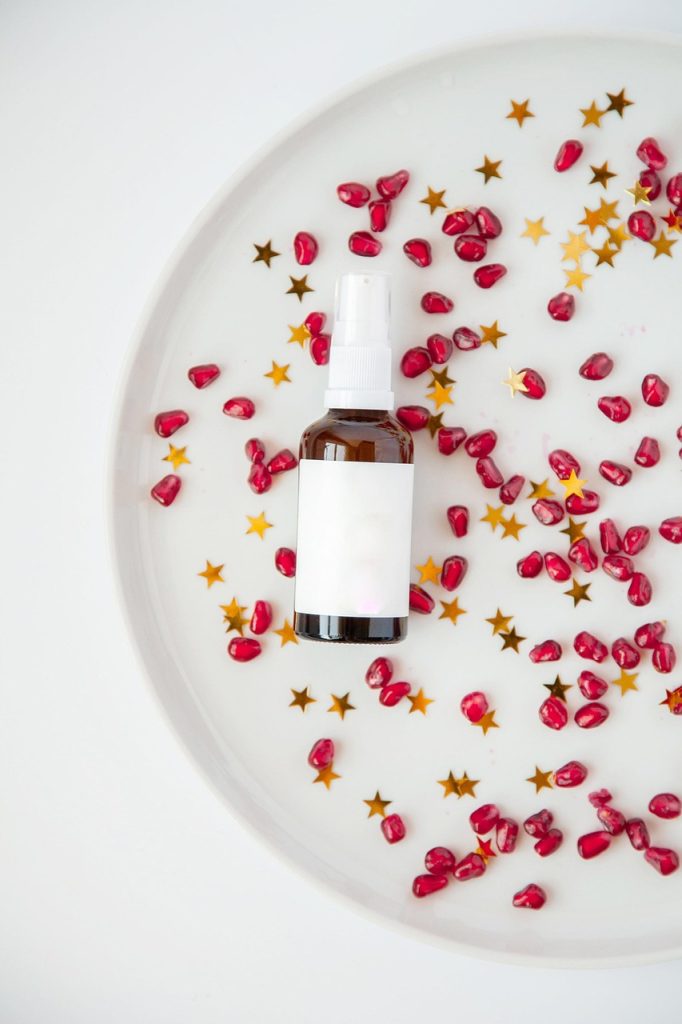
- Apply Vitamin C serum on clean, dry skin in the morning.
- Follow with a moisturizer and broad-spectrum sunscreen to protect against UV damage.
- Store Vitamin C serums in dark, airtight containers to prevent oxidation and loss of potency.
- Avoid combining Vitamin C serums with retinol or strong exfoliants in the same routine to minimize irritation.
Expert Insights: Vitamin C in Skincare
For a deeper understanding of Vitamin C’s role in skincare, listen to this insightful podcast episode:
“The Real Deal on Vitamin C: Skincare Benefits and Potential Hazards” on Biohacking Beauty. Listen here
Conclusion
Vitamin C serums are a cornerstone of effective skincare routines due to their ability to brighten, protect, and rejuvenate the skin. By selecting the right formulation tailored to your skin type and concerns, and using it consistently along with sun protection, you can achieve healthier, more radiant skin. Remember to choose stable Vitamin C formulations and introduce them gradually to avoid irritation. With patience and proper care, your skin will show visible improvements in tone, texture, and elasticity.
Frequently Asked Questions (FAQs)
1. How long does it take to see results from Vitamin C serums?
Visible results such as brighter skin and improved texture usually appear within 4 to 8 weeks of regular use.
2. Can I use Vitamin C serum with other active ingredients?
Vitamin C pairs well with hyaluronic acid and niacinamide but should be used separately from retinol and strong exfoliants.
3. Is Vitamin C serum suitable for sensitive skin?
Yes, but sensitive skin types should opt for gentler Vitamin C derivatives and patch test before full use.
4. Can Vitamin C serums cause skin irritation?
Irritation can occur if used in high concentrations or combined improperly with other actives. Start slowly and monitor your skin’s response.
5. Should I use Vitamin C serum in the morning or at night?
Vitamin C is most effective in the morning when it can protect against UV damage; always follow with sunscreen.
6. How should I store my Vitamin C serum?
Store it in a cool, dark place in an airtight container to prevent oxidation and maintain efficacy.
7. Can Vitamin C serum replace sunscreen?
No, Vitamin C supplements sun protection but does not replace the need for broad-spectrum sunscreen.
Disclaimer
This blog post is for informational purposes only and does not substitute professional medical advice. Consult a dermatologist before starting any new skincare regimen, especially if you have sensitive skin or pre-existing skin conditions.

Saman Is a marketing professional working who has 3 years of marketing experience!