

Aging is a natural process, but the beauty industry often presents anti-ageing as something to fight or delay indefinitely. While there are countless products marketed to reverse signs of ageing, the reality is more complex. In this guide, we uncover the real science behind anti-ageing skincare, expose common misconceptions, and help you build a routine that actually works.

Key Takeaways
- Most anti-ageing skincare products focus on appearance, not long-term skin health
- Key anti-ageing ingredients like retinol, peptides, and antioxidants are backed by science
- Lifestyle choices play a major role in how your skin ages
- Prevention through hydration, SPF, and a healthy routine is more effective than reversal
- Not all products labeled “anti-ageing” deliver proven results
What Is Anti-Ageing Skincare Really About
The Goal of Anti-Ageing Products
Anti-ageing skincare aims to reduce visible signs of ageing like fine lines, wrinkles, age spots, and loss of firmness. However, many products only offer short-term cosmetic benefits rather than long-lasting change.
The Difference Between Preventative and Corrective Skincare
Preventative Skincare
- Hydration
- Daily SPF use
- Antioxidants like Vitamin C
- Lifestyle changes such as diet and sleep
Anti-ageing Corrective Skincare
- Retinoids for fine lines and pigmentation
- Chemical exfoliants like AHAs and BHAs
- Peptides to boost collagen production
The Anti-ageing Ingredients That Truly Work

Science-Backed Ingredients in Anti-Ageing Products
Retinol
One of the most researched ingredients for anti-ageing, retinol helps increase cell turnover and reduce wrinkles.
Vitamin C
An antioxidant that brightens skin, reduces pigmentation, and supports collagen production.
Hyaluronic Acid
A hydrating molecule that plumps the skin and reduces the appearance of fine lines.
Peptides
Signal proteins that help stimulate collagen and elastin production, improving skin firmness.
Niacinamide
Helps with skin texture, redness, and fine lines while strengthening the skin barrier.
Common Myths About Anti-Ageing Skincare

Not All Expensive Products Work Better
Price does not always equal performance. Some drugstore products contain the same active ingredients as luxury brands.
Natural Does Not Always Mean Safer
Just because a product is labeled natural does not mean it is more effective or safe. Always check for clinical evidence.
You Do Not Need a 10-Step Routine
A minimal routine with the right active ingredients can be more effective than multiple uncoordinated products.
How Lifestyle Affects Skin Ageing
Factors That Accelerate Ageing
- Unprotected sun exposure
- Smoking and alcohol consumption
- Lack of sleep
- Poor nutrition
- Chronic stress
Habits That Promote Youthful Skin
Sleep and Recovery
The skin repairs itself during sleep. Aim for 7 to 8 hours of quality rest every night.
Hydration and Diet
Drinking water and eating foods rich in antioxidants can improve your skin’s resilience and appearance.
Stress Management
Stress increases cortisol, which breaks down collagen and accelerates ageing. Practice meditation, exercise, or hobbies.
Building an Effective Anti-Ageing Skincare Routine
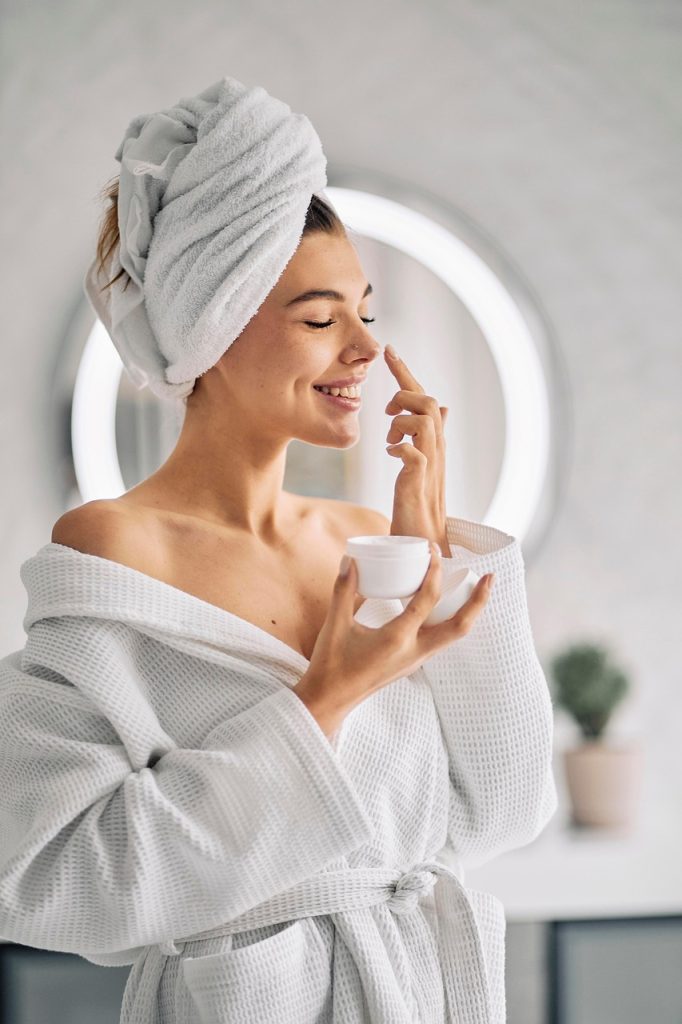
Step-by-Step Routine
Morning Routine
- Cleanser
- Antioxidant serum (Vitamin C)
- Moisturizer
- Sunscreen
Evening Routine
- Cleanser
- Retinol or retinoid
- Hydrating serum
- Night cream or moisturizer
Tips for Long-Term Results
- Introduce actives like retinol slowly to avoid irritation
- Reapply sunscreen every 2 to 3 hours if outdoors
- Avoid using too many actives at once
- Be consistent and patient
Conclusion
Anti-ageing skincare is not about stopping the clock, but supporting your skin as it naturally ages. By focusing on science-backed ingredients, daily protection, and healthy habits, you can maintain youthful, radiant skin for longer. Avoid marketing traps and build a skincare routine that supports your skin’s long-term health rather than quick fixes.
Frequently Asked Questions
Q1. At what age should I start using anti-ageing products
You can begin in your mid-20s with preventive care like sunscreen and antioxidants. More targeted treatments like retinol can start in your late 20s or early 30s.
Q2. Is retinol safe for all skin types
Yes, but sensitive skin may require a lower concentration. Start slowly and use moisturizer to minimize irritation.
Q3. Do natural remedies work for anti-ageing
Some ingredients like aloe vera or green tea offer benefits, but they are less potent than clinically proven actives like retinol or Vitamin C.
Q4. Can men use the same anti-ageing products as women
Absolutely. Skin structure may vary slightly, but the core principles and ingredients remain the same.
Q5. Does diet really affect how fast your skin ages
Yes. Diets rich in sugar and processed food can accelerate ageing, while antioxidants and healthy fats support skin health.
Q6. How often should I exfoliate to reduce signs of ageing
Two to three times a week is sufficient. Over-exfoliating can damage the skin barrier and cause irritation.
Q7. Is sunscreen really the best anti-ageing product
Yes. Daily sunscreen use prevents UV damage, which is the number one cause of premature skin ageing.
Disclaimer
The information provided in this blog is for educational purposes only. It is not intended to replace professional medical advice, diagnosis, or treatment. Always consult a qualified dermatologist before starting any new skincare regimen, especially if you have existing skin conditions or allergies. Individual results may vary based on skin type, product formulation, and usage consistency.
For better clarity – Follow the video tutorial : https://www.youtube.com/watch?v=o7ysNwNLHWg

Saman Is a marketing professional working who has 3 years of marketing experience!